Query
Private RAG for search, selection, and execution
Outcome
Match user intent to the right model, workflow, or answer path while keeping institutional knowledge privateInnovation
Private RAG with context-aware model and action selection across tools and workflowsStack
LLMs · Retrieval · Automation · Evaluation · Prompting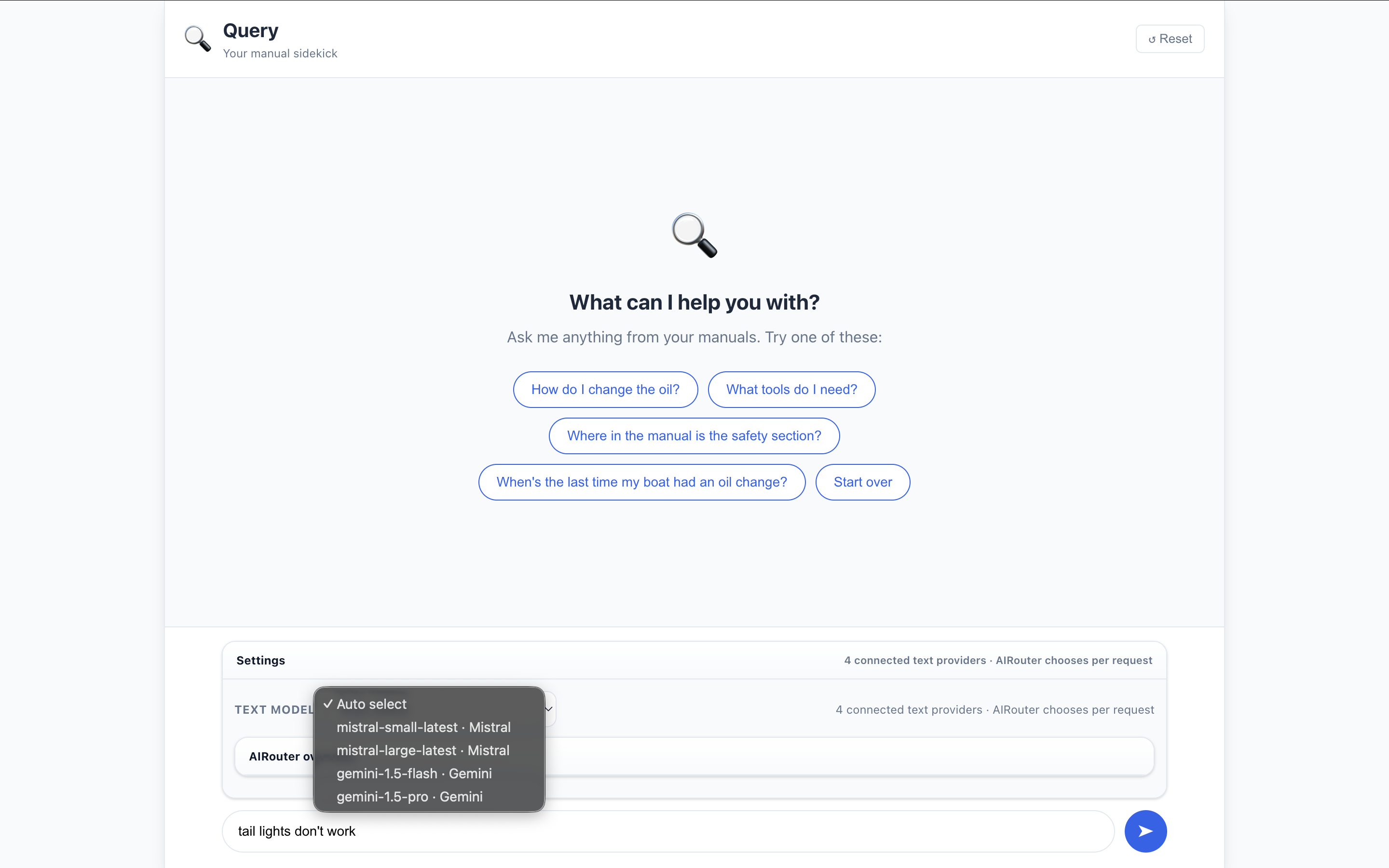
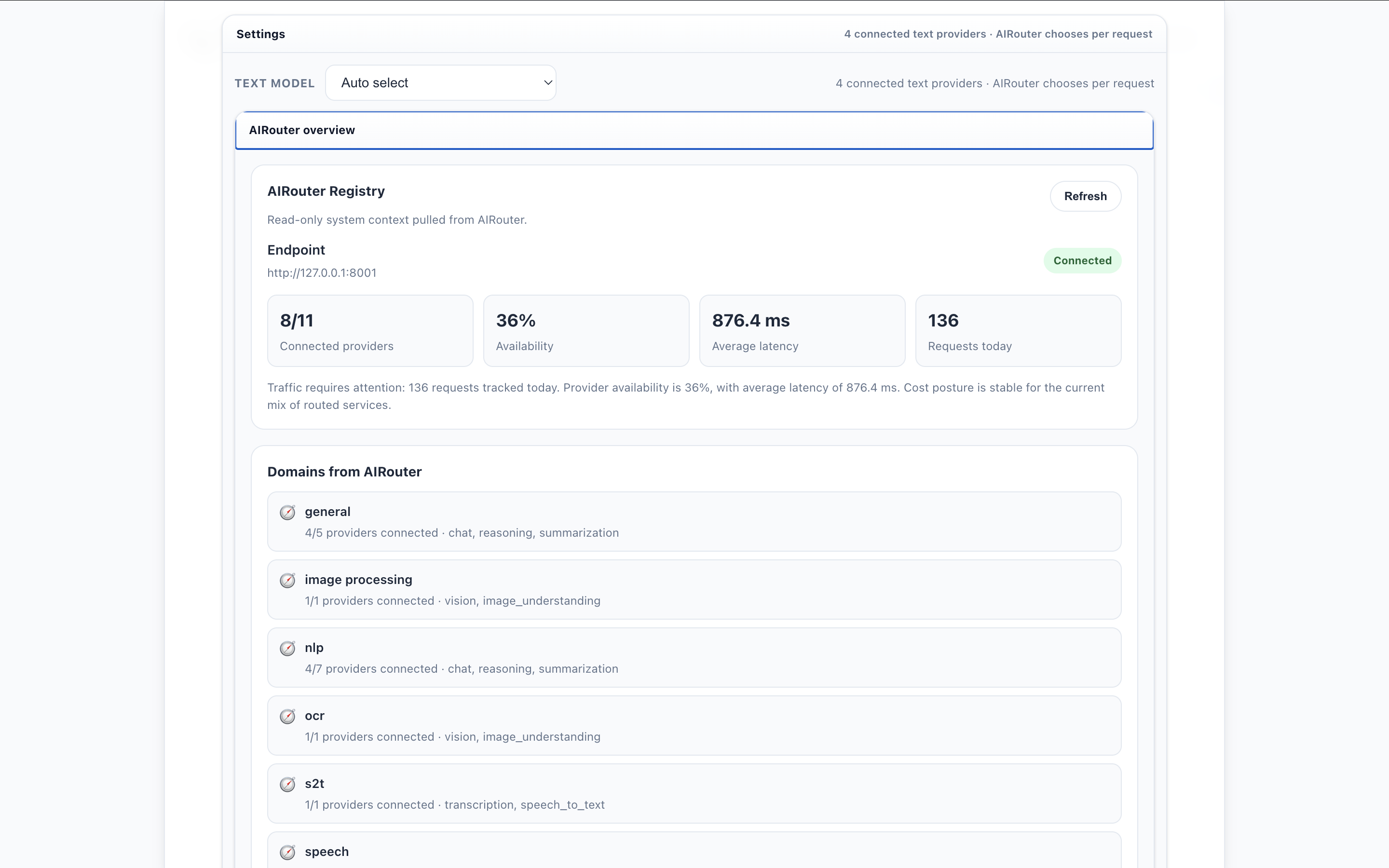
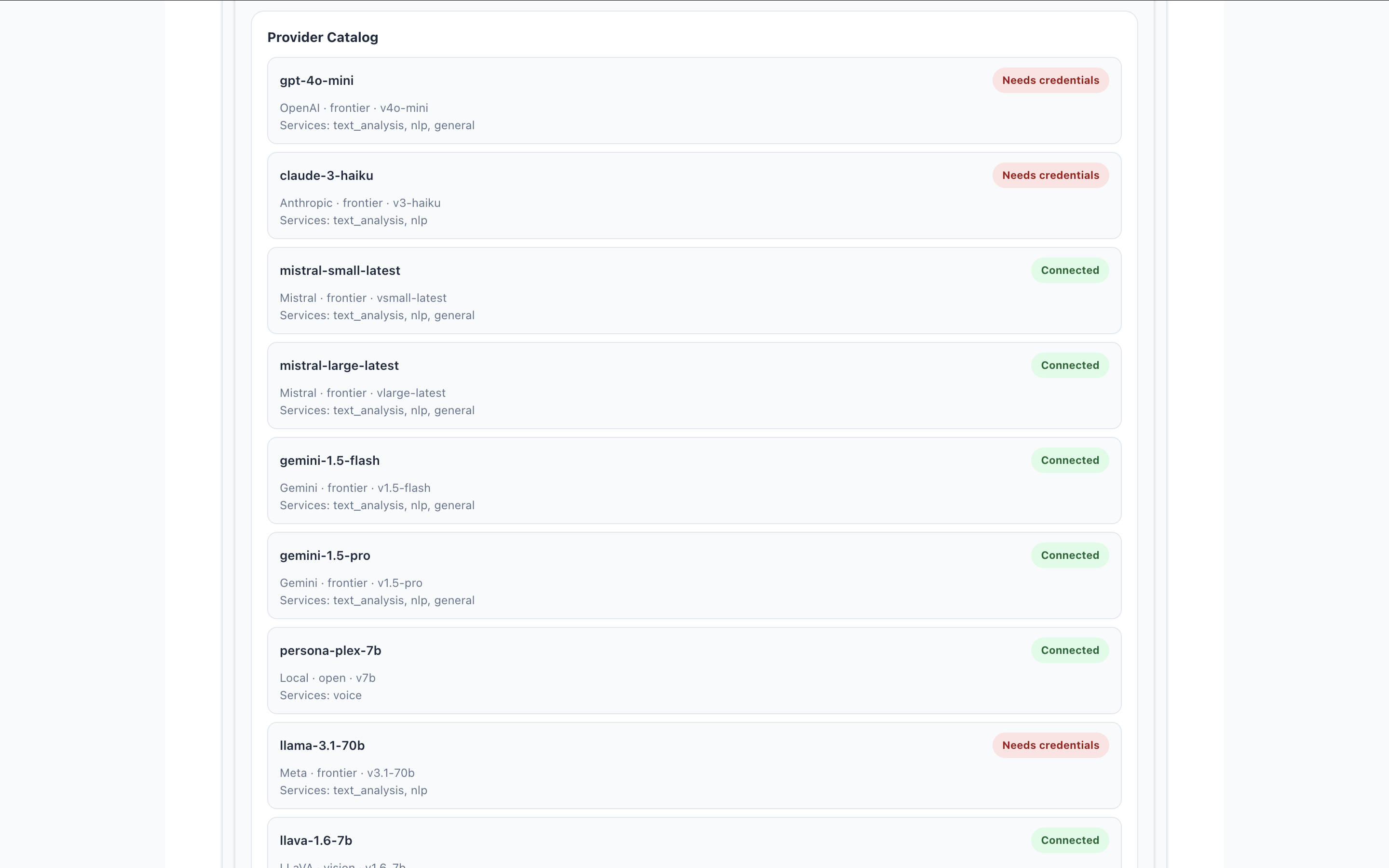
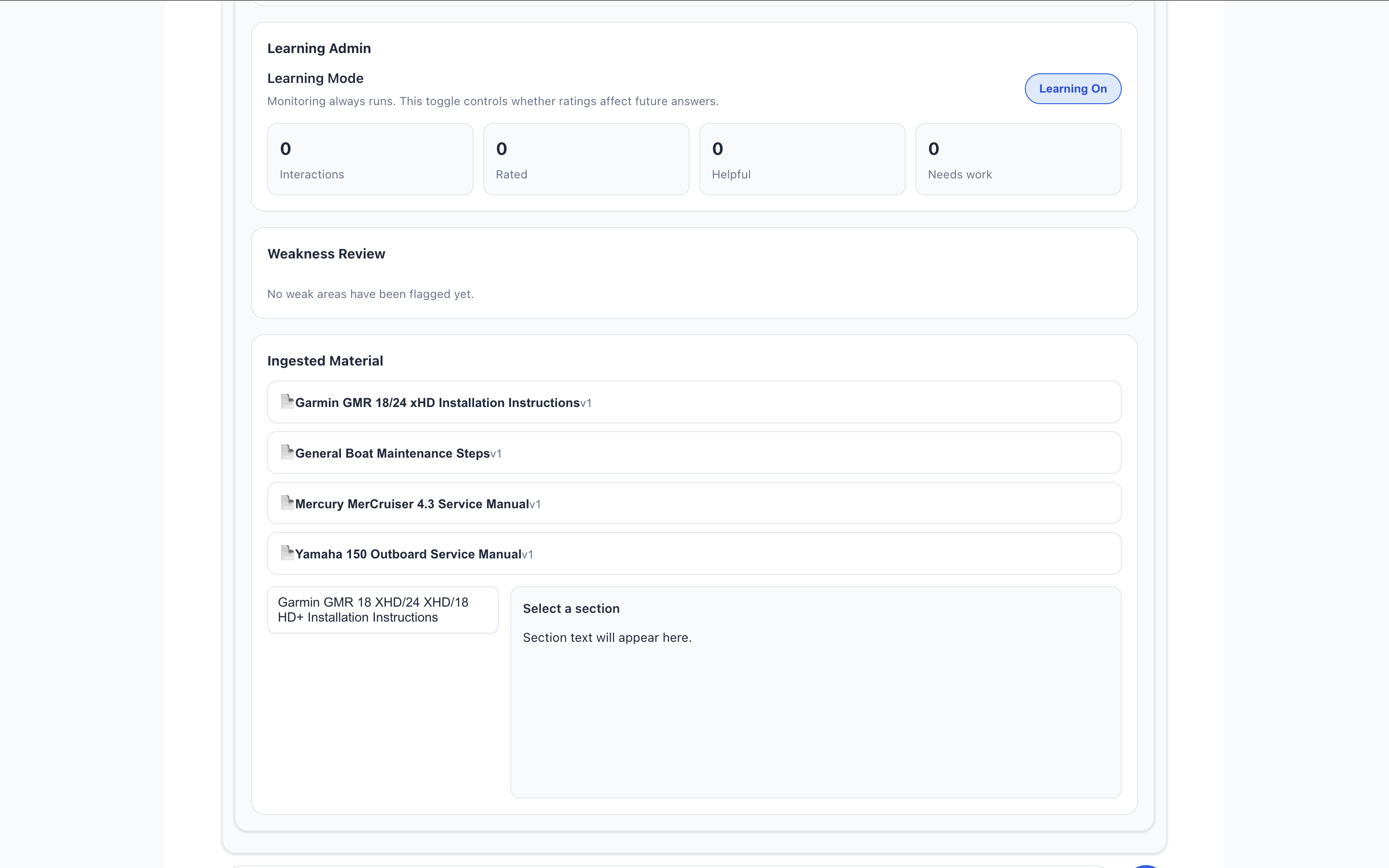
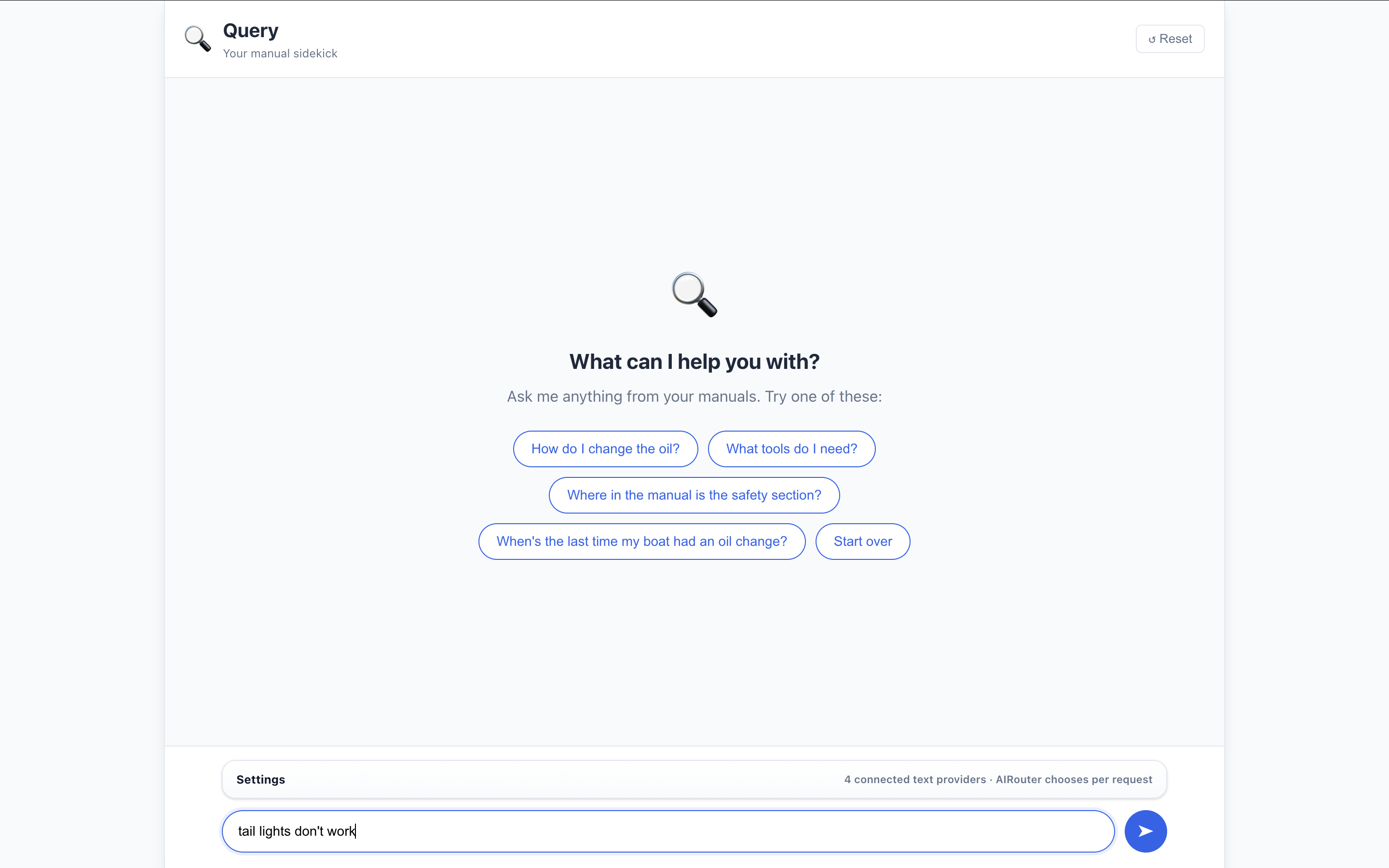
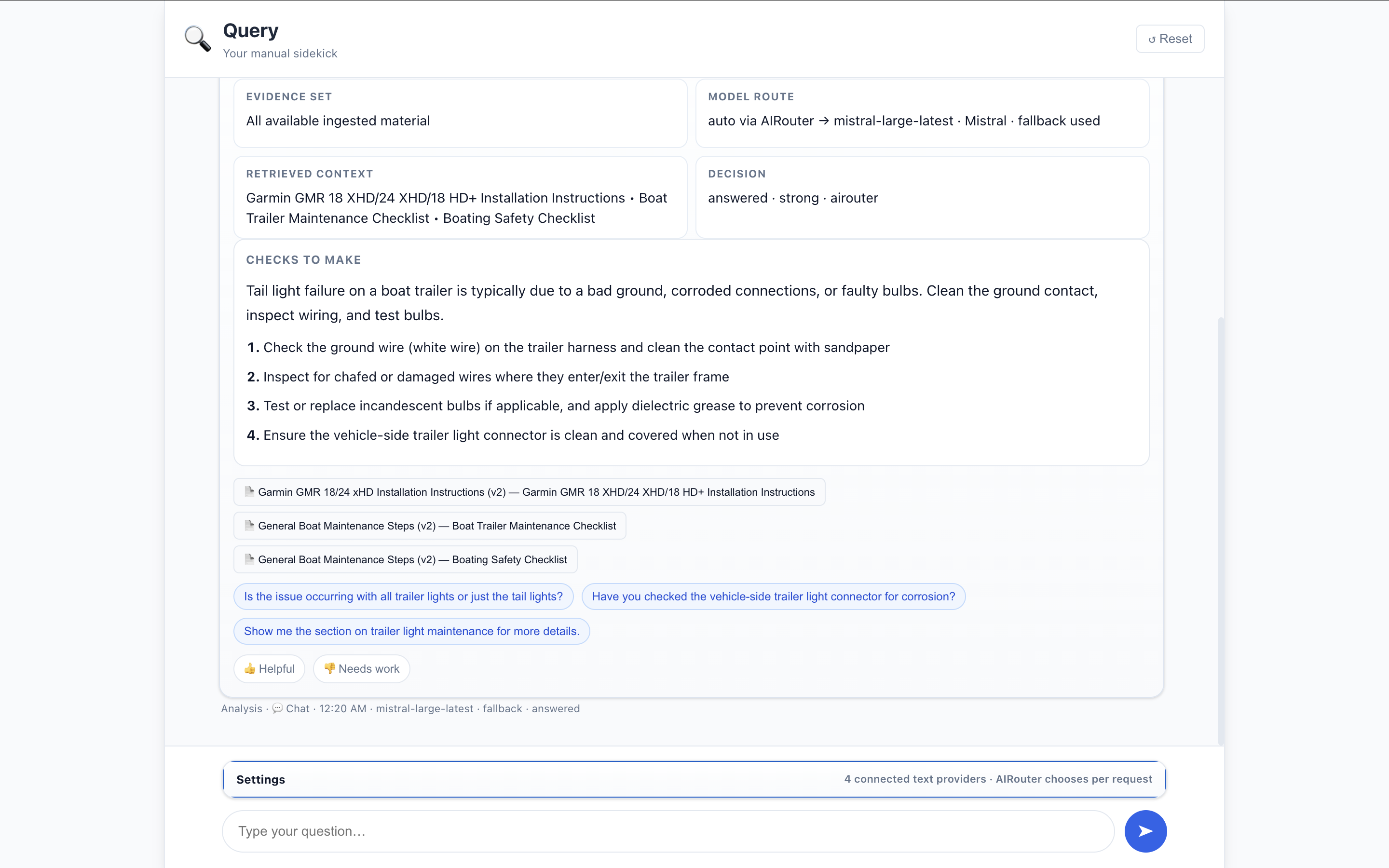
Query is designed for the messy middle between a user request and the actual system behavior needed to satisfy it.
Instead of treating every prompt as the same kind of problem, Query classifies intent, evaluates context, and selects the right answer path.
The Challenge
- Different questions need different systems
- Users rarely describe the task in machine-ready terms
- Single-model approaches flatten important distinctions
- Tool invocation and model choice often remain manual
The Query Model
Query treats an incoming request as a routing problem.
- Interpret the request and surrounding context
- Classify the underlying task shape
- Select the right model, tool, or workflow path
- Execute with constraints and observability
- Learn from outcomes and correction patterns
Technical Architecture
Query logical architecture
Captures the question, surrounding context, and task shape before selecting an answer path.
Retrieves internal knowledge, selects the right model or workflow, and keeps institutional memory out of public model state.
- Intent-first routing: each request is interpreted before the system chooses a model, tool, or workflow.
- Private retrieval layer: internal knowledge stays grounded in controlled document context instead of leaking into public model memory.
- Multi-channel delivery: the same decision layer can serve chat, SMS, voice, and operational handoff paths.
- Learning loop: feedback and outcome patterns refine future selection behavior over time.
Core Capabilities
1. Intent Understanding
Query identifies whether the request is explanatory, analytic, generative, operational, or automatable.
- Semantic task understanding
- Context-aware interpretation
- Request shaping for downstream systems
2. Model and Tool Selection
The system chooses the best path instead of assuming one universal model is enough.
- Cost-aware model selection
- Capability-aware routing
- Tool and workflow handoff
- Policy-aware execution boundaries
3. Private Retrieval
Query can use retrieval-augmented generation to keep institutional knowledge usable without pushing it into public or shared model memory.
- Private knowledge retrieval
- Grounded answers from internal sources
- Controlled access to sensitive context
- Institutional memory without public exposure
4. Operational Learning
Query improves over time by studying what worked.
- Feedback capture
- Outcome comparison
- Repeated-pattern detection
- Selection refinement over time
Why It Matters
The value of AI often depends less on any single model than on selecting the right path for a given request.
Query is built around that selection layer.